


11 Nov Understanding the Forex Trading Business Opportunities and Risks

In recent years, the Forex trading business has gained immense popularity, thanks to globalization, the rise of technology, and the ability for individuals to engage in trading from virtually anywhere in the world. The Forex market is known for its high liquidity, 24-hour accessibility, and the potential for significant profit. However, it comes with its own set of risks and challenges. In this article, we will delve deep into the Forex trading landscape, covering essential concepts, strategies, platform options like forex trading business Indian Trading Platforms, and common pitfalls to avoid.
The Basics of Forex Trading
Forex, or foreign exchange, is the global marketplace for trading national currencies against one another. Two currencies are always traded in pairs (e.g., EUR/USD, GBP/JPY), indicating how much of one currency is needed to purchase a unit of another currency. The Forex market is the largest financial market globally, with an average daily trading volume exceeding $6 trillion.
The primary participants in this market include banks, financial institutions, corporations, and individual retail traders. The market operates through a network of banks and entities, enabling trading 24 hours a day, five days a week. Understanding currency pairs is crucial, as it influences trading strategies and risk management practices.
Key Components of Forex Trading
There are several essential components to consider when venturing into Forex trading:
- Currency Pairs: Currency pairs are categorized as major, minor, and exotic pairs. Major pairs include the most widely traded currencies, while minor pairs involve less common currencies. Exotic pairs are made up of a major currency and a currency from a developing economy.
- Leverage: Many Forex brokers offer leverage, allowing traders to control larger positions with a smaller amount of capital. While leverage can amplify profits, it can equally exacerbate losses, making risk management vital.
- Spread: The spread is the difference between the bid price and the ask price of a currency pair. It’s how brokers make their money, and understanding it can help traders assess the cost of their trades.
Strategies for Successful Forex Trading
Successful Forex trading relies on effective strategies. Here are several popular approaches:
Technical Analysis
Many traders use technical analysis to forecast price movements based on historical data. Charts and various indicators (such as Moving Averages, RSI, and MACD) are employed to identify trends and entry/exit points.
Fundamental Analysis
Fundamental analysis involves examining economic indicators, geopolitical events, and other factors that can influence currency values. Understanding the economic health of countries can provide significant trading insights.
Sentiment Analysis
This strategy considers the general mood of traders in the market. Market sentiment can heavily influence currency movements, making it crucial for traders to gauge prevailing trends.
Choosing a Forex Broker

Choosing the right Forex broker is critical for trading success. Consider the following factors:
- Regulation: Ensure that the broker is regulated by a reliable authority to safeguard your funds.
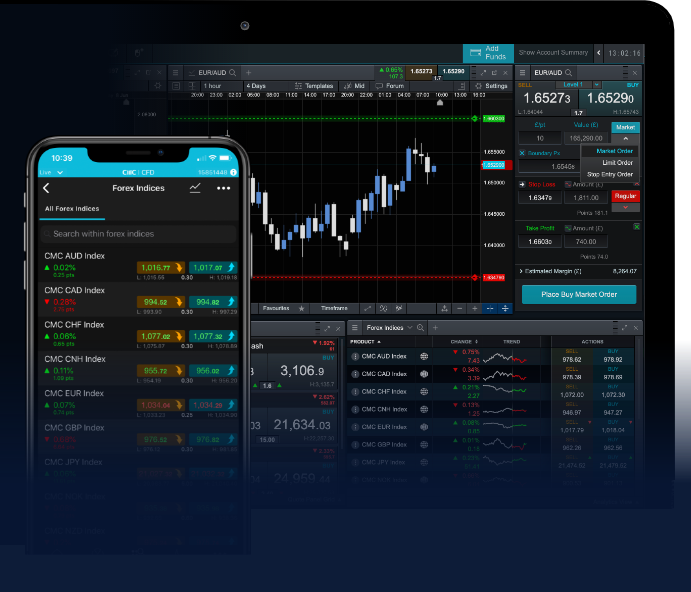
- Trading Platform: A user-friendly and efficient trading platform can significantly impact your trading experience. Look for features like charting tools, analytical capabilities, and mobile access.
- Customer Support: Reliable customer service is essential for addressing any issues or questions that may arise during your trading experience.
Risks Associated with Forex Trading
While the Forex trading business presents lucrative opportunities, it is not without risks. Some of the common risks include:
- Market Risk: Price fluctuations can occur unexpectedly, leading to losses. Traders should have a solid risk management plan in place.
- Leverage Risk: Although leverage can increase profits, it also magnifies losses. Traders must use leverage wisely and avoid overextending themselves.
- Psychological Risk: Emotional trading often leads to poor decision-making. Maintaining discipline and sticking to a trading plan is essential.
Conclusion
The Forex trading business offers exciting opportunities for those willing to learn and adapt to the fast-paced market environment. However, it is crucial to approach trading with a well-structured plan, an understanding of the underlying principles, and proper risk management strategies. By doing so, traders can navigate the complexities of the Forex landscape and increase their chances of building a successful trading career.
By constantly educating yourself, adapting to changes, and utilizing advanced tools, you can unlock the potential of Forex trading and turn it into a profitable venture.
No Comments