


20 Ago The Importance of RNG Certification and Fair Play Audits
In the rapidly evolving landscape of Genting online casino gaming and gambling, the integrity and fairness of games are paramount for both players and operators. The concept of Random Number Generation (RNG) certification and fair play audits has emerged as a critical component in ensuring that games are not only fair but also transparent. This report delves into the significance of RNG certification and fair play audits, exploring their roles in promoting trust, accountability, and sustainability in the gaming industry.
Understanding RNG Certification
Random Number Generators (RNGs) are algorithms used in online gaming to produce outcomes that are unpredictable and random. They play a crucial role in games such as slots, poker, and other casino games, where the element of chance is fundamental. RNG certification is the process by which an independent third-party testing agency evaluates and verifies the integrity of an RNG system.
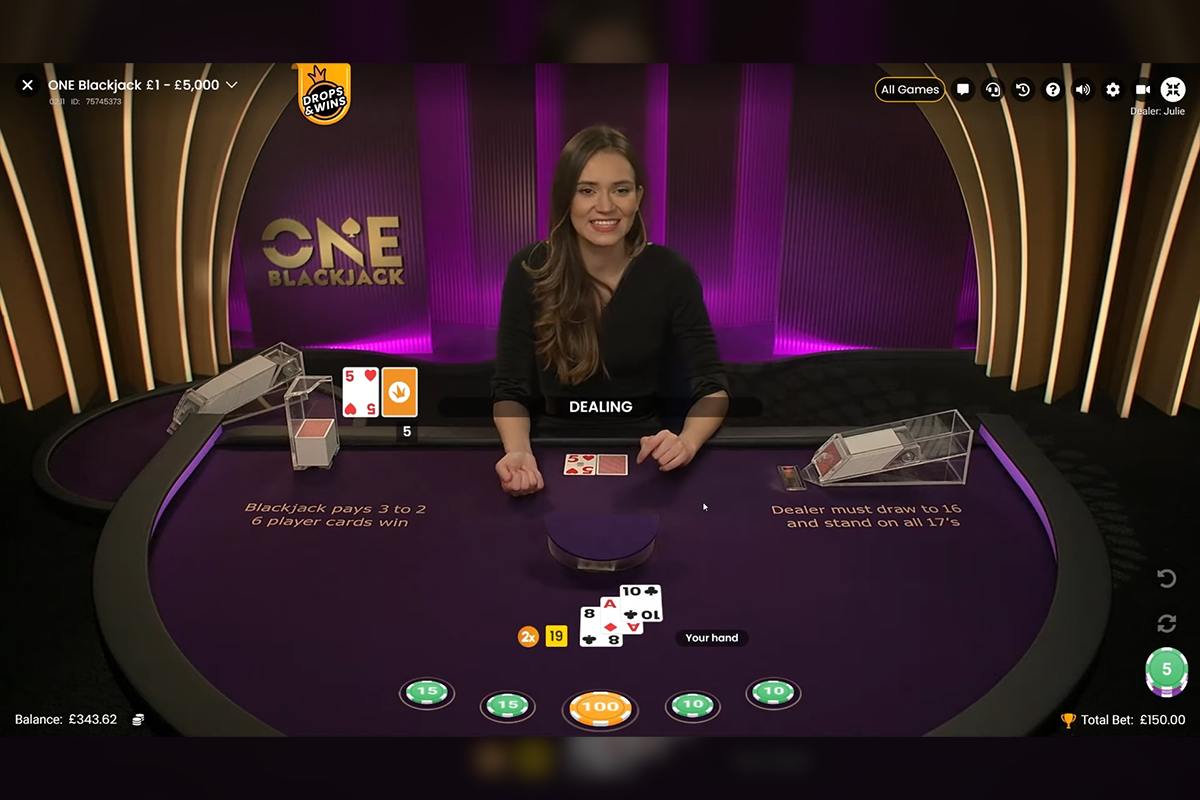
The importance of RNG certification can be summarized in several key points:
- Ensuring Fairness: RNG certification guarantees that the outcomes of games are not manipulated and that they provide a fair chance to all players. This is vital in maintaining a level playing field, especially in competitive gaming environments.
- Building Trust: Players are more likely to engage with gaming platforms that are certified. The presence of an RNG certification from a reputable agency acts as a seal of approval, fostering trust between players and operators. When players know that the games are regularly tested for fairness, they are more likely to invest time and money into those platforms.
- Regulatory Compliance: Many jurisdictions require gaming operators to obtain RNG certification to operate legally. This compliance with regulations ensures that operators adhere to industry standards and best practices, further enhancing the credibility of the gaming sector.
- Reducing Fraud and Cheating: Certified RNGs are designed to be tamper-proof, making it exceedingly difficult for operators to manipulate game outcomes. This reduces the risk of fraud and cheating, safeguarding the interests of players and maintaining the overall integrity of the gaming environment.
The Role of Fair Play Audits
While RNG certification focuses on the technical aspects of game fairness, fair play audits encompass a broader evaluation of an operator’s practices and policies. Fair play audits involve a comprehensive review of a gaming platform’s operations, including its RNGs, payout percentages, player interactions, and responsible gaming measures.
The significance of fair play audits can be understood through the following aspects:
- Holistic Evaluation: Fair play audits assess not only the randomness of the games but also the overall player experience. This includes evaluating the transparency of game rules, the clarity of terms and conditions, and the responsiveness of customer support. A holistic approach ensures that players are protected throughout their gaming experience.
- Promoting Responsible Gaming: Auditors often evaluate how operators promote responsible gaming practices. This includes measures such as self-exclusion options, deposit limits, and resources for players who may be experiencing gambling-related issues. By promoting responsible gaming, operators can help mitigate the risks associated with gambling addiction.
- Enhancing Player Protection: Fair play audits help identify potential vulnerabilities in an operator’s systems that could lead to unfair practices or exploitation of players. By addressing these vulnerabilities, operators can enhance player protection and ensure a safer gaming environment.
- Accountability and Transparency: Regular audits hold operators accountable for their practices. Transparency in operations is essential for maintaining player trust. When operators know they are subject to audits, they are more likely to adhere to ethical practices and prioritize player welfare.
The Impact on the Gaming Industry
The implementation of RNG certification and fair play audits has far-reaching implications for the gaming industry as a whole. The following points highlight their impact:
- Market Growth: As players become more aware of the importance of fair play and transparency, they are more likely to choose certified operators. This drives competition among gaming platforms to obtain certifications and undergo audits, leading to an overall improvement in industry standards.
- Consumer Confidence: With the rise of online gaming, consumer confidence is essential for market stability. RNG certification and fair play audits instill confidence in players, encouraging them to engage with online platforms without fear of unfair practices or exploitation.
- Regulatory Evolution: As the gaming industry continues to evolve, regulatory bodies are increasingly recognizing the importance of RNG certification and fair play audits. This recognition leads to the establishment of more robust regulatory frameworks that prioritize player protection and fair gaming practices.
- Technological Advancement: The demand for certified RNGs and fair play audits encourages technological innovation within the industry. Operators are motivated to invest in advanced RNG systems and audit processes that enhance the overall gaming experience for players.
Challenges and Future Directions
Despite the clear benefits of RNG certification and fair play audits, several challenges persist. One significant challenge is the lack of uniformity in standards across different jurisdictions. As the gaming industry operates on a global scale, inconsistent regulations can create confusion for operators and players alike.
Moreover, as technology advances, so do the methods of cheating and fraud. Continuous improvement in RNG systems and audit practices is necessary to stay ahead of potential threats. The industry must also address the growing concerns around data privacy and security, ensuring that player information is protected throughout the gaming experience.
Looking ahead, the future of RNG certification and fair play audits appears promising. The ongoing collaboration between regulators, testing agencies, and operators will be crucial in establishing comprehensive standards that promote fairness and transparency. As players become more educated about their rights and the importance of fair play, the demand for certified and audited gaming platforms will continue to grow.
Conclusion
In conclusion, RNG certification and fair play audits play a vital role in the online gaming industry, ensuring fairness, transparency, and player protection. As the industry continues to evolve, the importance of these practices will only increase. By prioritizing RNG certification and fair play audits, operators can foster trust and accountability, ultimately leading to a more sustainable and reputable gaming environment for all stakeholders involved. The commitment to fair play not only benefits players but also contributes to the long-term success and integrity of the gaming industry as a whole.
No Comments